
September 19 2025
AIMS5.0 at the European Research & Innovation Days – Reflections from Brussels
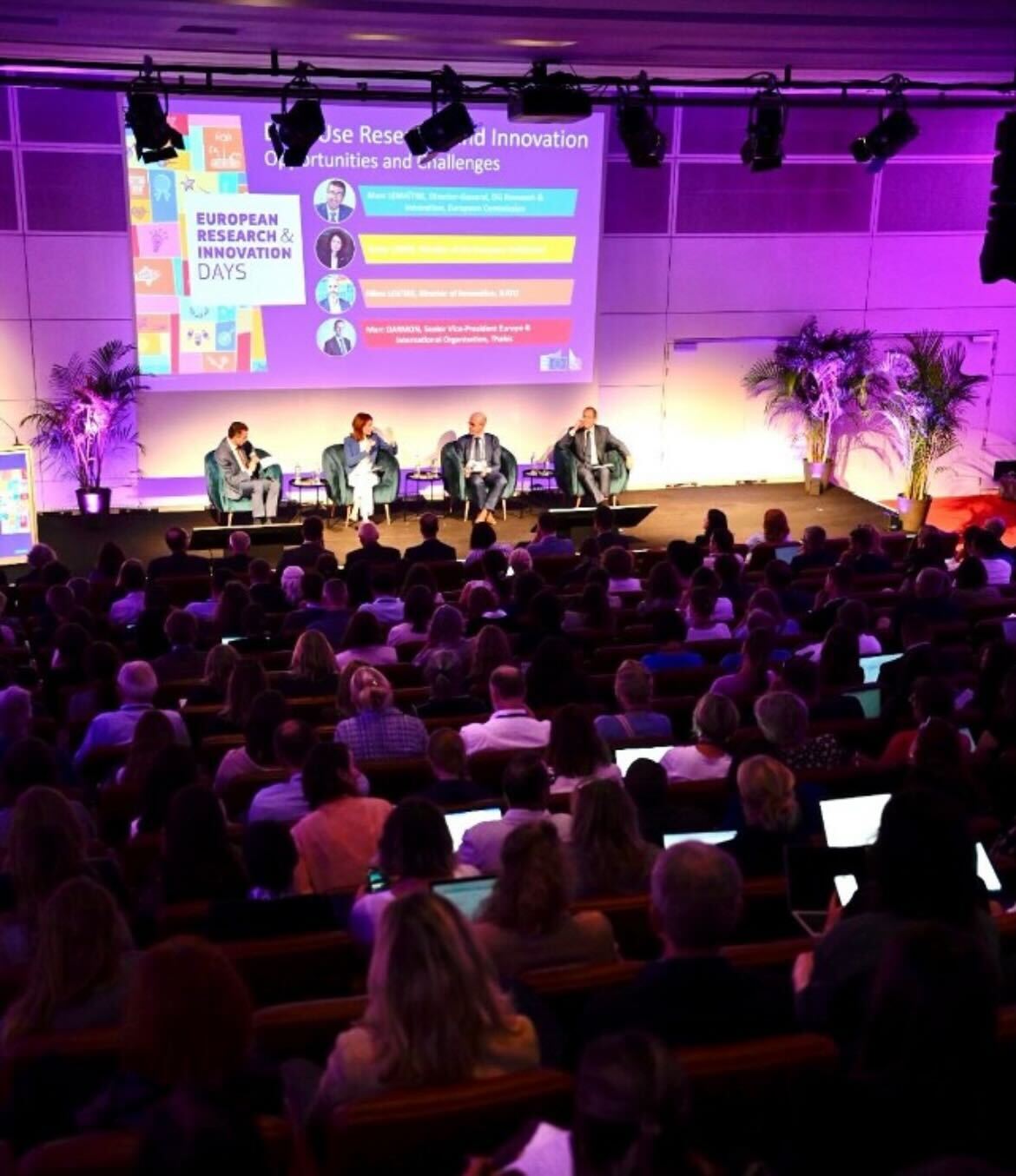
The European Research and Innovation Days (RiDaysEU) are always a special moment in Europe’s calendar. For two days each September, policymakers, researchers, industry leaders, and innovators gather in Brussels to exchange perspectives on where Europe stands and where it must go in order to remain competitive in a fast-changing global landscape.
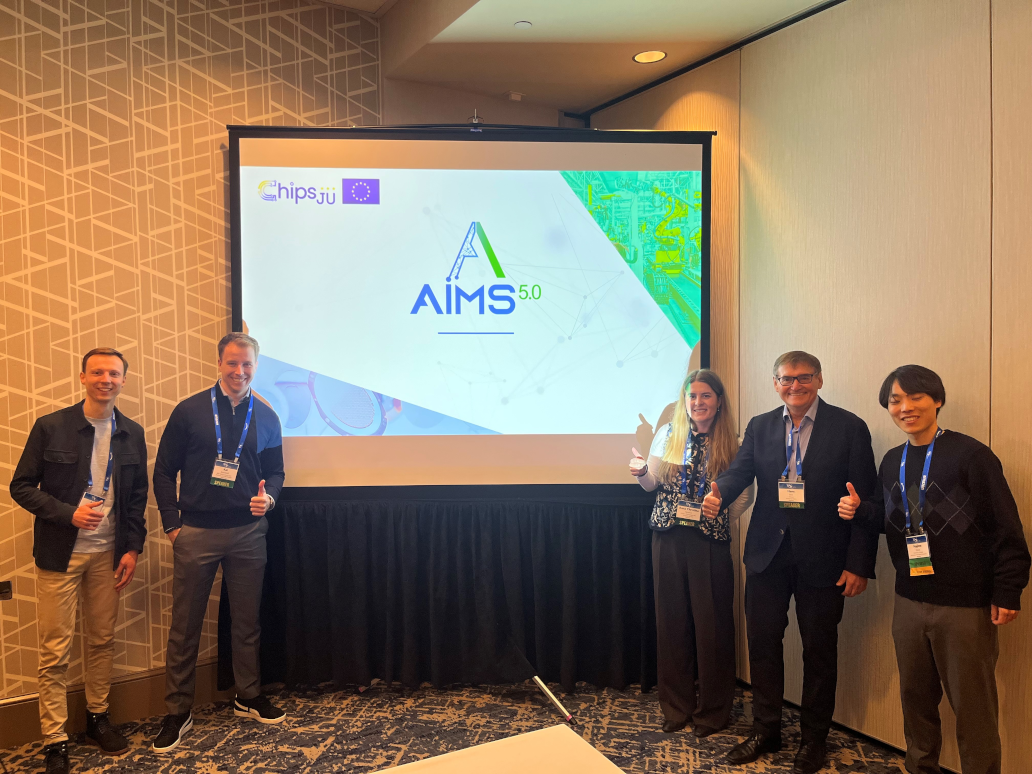
This year, one of the highlights for our team was the invitation to present the AIMS5.0 project, which had been selected by the Chips Joint Undertaking (Chips JU) as one of the flagship initiatives to be showcased at the exhibition. To be chosen from among so many excellent projects was not only an honor, but also a recognition of the importance of AIMS5.0’s work for Europe’s industrial and digital future.
Why AIMS5.0 Matters
The project addresses a central challenge: how to bring artificial intelligence into European manufacturing in a way that is trustworthy, safe, environmentally sustainable, and energy efficient. While AI has already shown its transformative potential in sectors like mobility, healthcare, and finance, the manufacturing sector poses its own unique demands. Factories must operate reliably, at scale, and in full compliance with strict safety standards. At the same time, they are under pressure to reduce their environmental footprint and to integrate digital technologies that make processes more resilient.
AIMS5.0 builds methods and tools that respond to these challenges. By linking advanced AI with industrial application, the project contributes directly to the European Commission’s Industry 5.0 vision: technology that serves people, society, and the environment, not just efficiency.
What struck me most was the diversity of conversations: some were deeply technical, focused on algorithms and testbeds; others were strategic, asking how these innovations could scale up across Europe; still others were visionary, connecting the dots between research outcomes and Europe’s broader geopolitical and economic priorities.
The booth was never empty. This in itself is telling: it shows that the questions AIMS5.0 tackles are not theoretical, but central to Europe’s industrial future.
The Atmosphere in Brussels
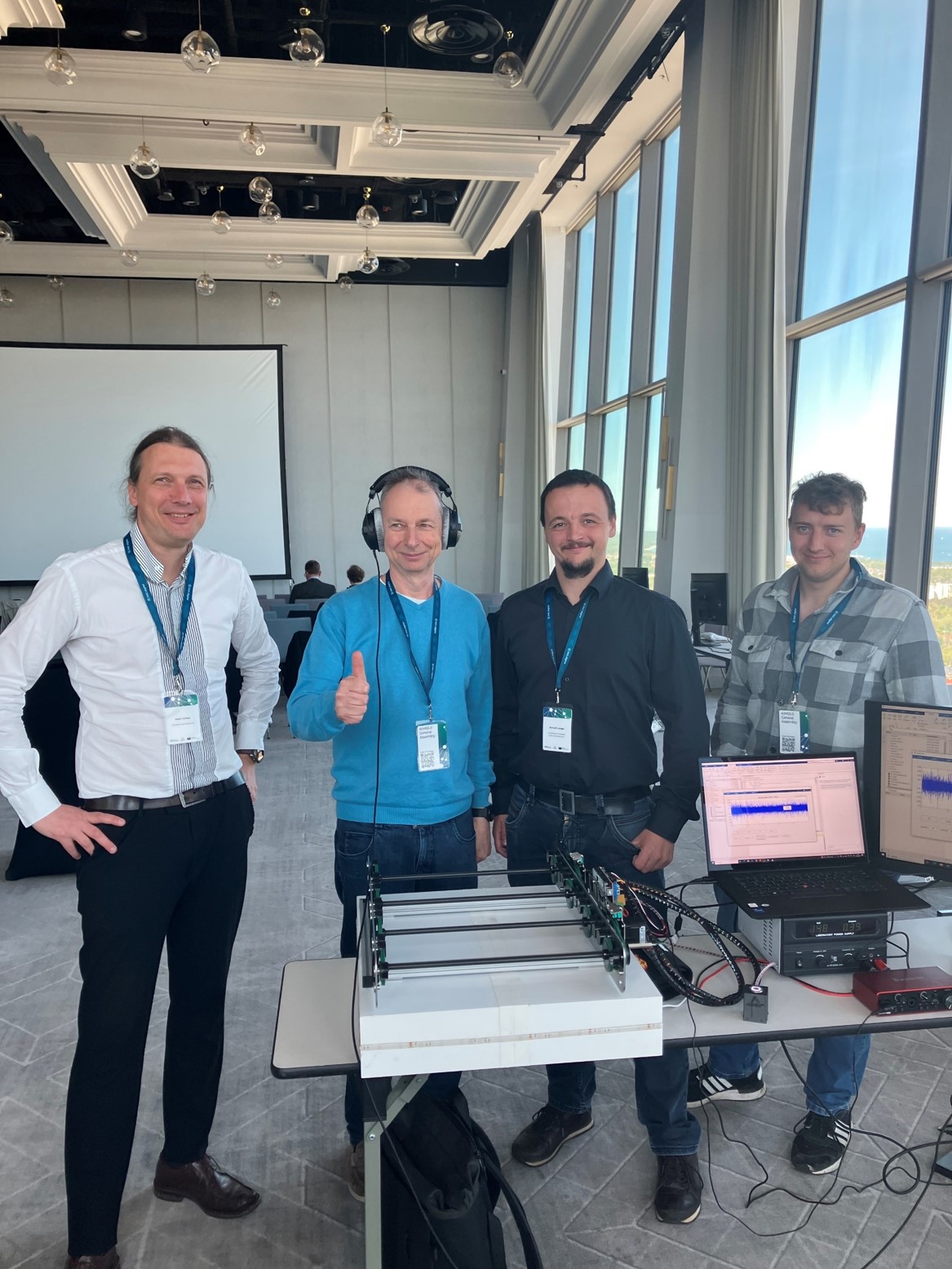
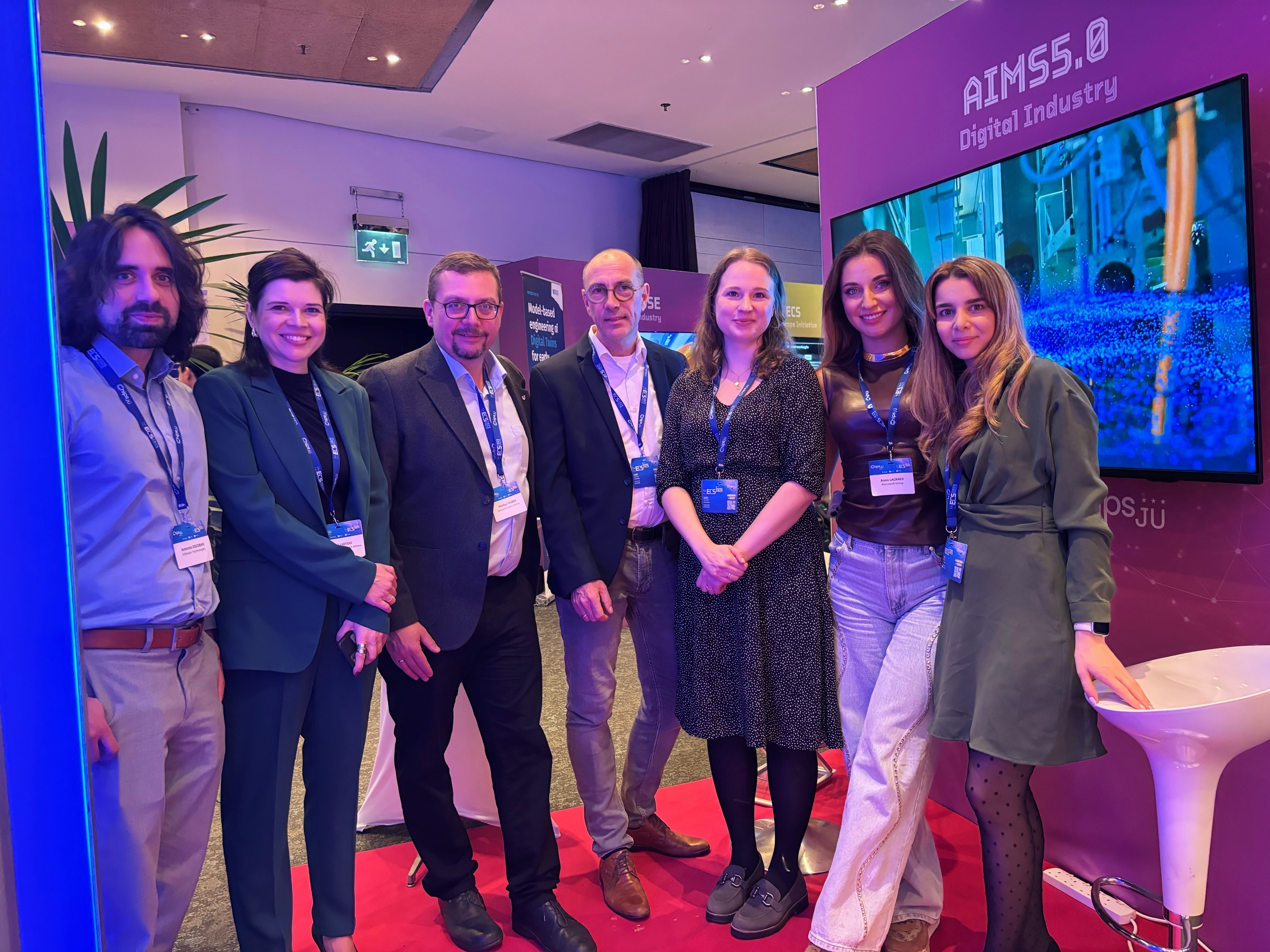
The booth at RiDaysEU quickly became a lively meeting point. Throughout the event, stakeholders from different backgrounds stopped by — representatives from industry, research organizations, policymakers, and other EU projects. They were curious to learn about the technical outcomes of AIMS5.0, but also about how the project is making its results understandable, reusable, and transferable across industries.
What struck me most was the diversity of conversations: some were deeply technical, focused on algorithms and testbeds; others were strategic, asking how these innovations could scale up across Europe; still others were visionary, connecting the dots between research outcomes and Europe’s broader geopolitical and economic priorities.
The booth was never empty. This in itself is telling: it shows that the questions AIMS5.0 tackles are not theoretical, but central to Europe’s industrial future.
A Stage for Europe’s Strategy
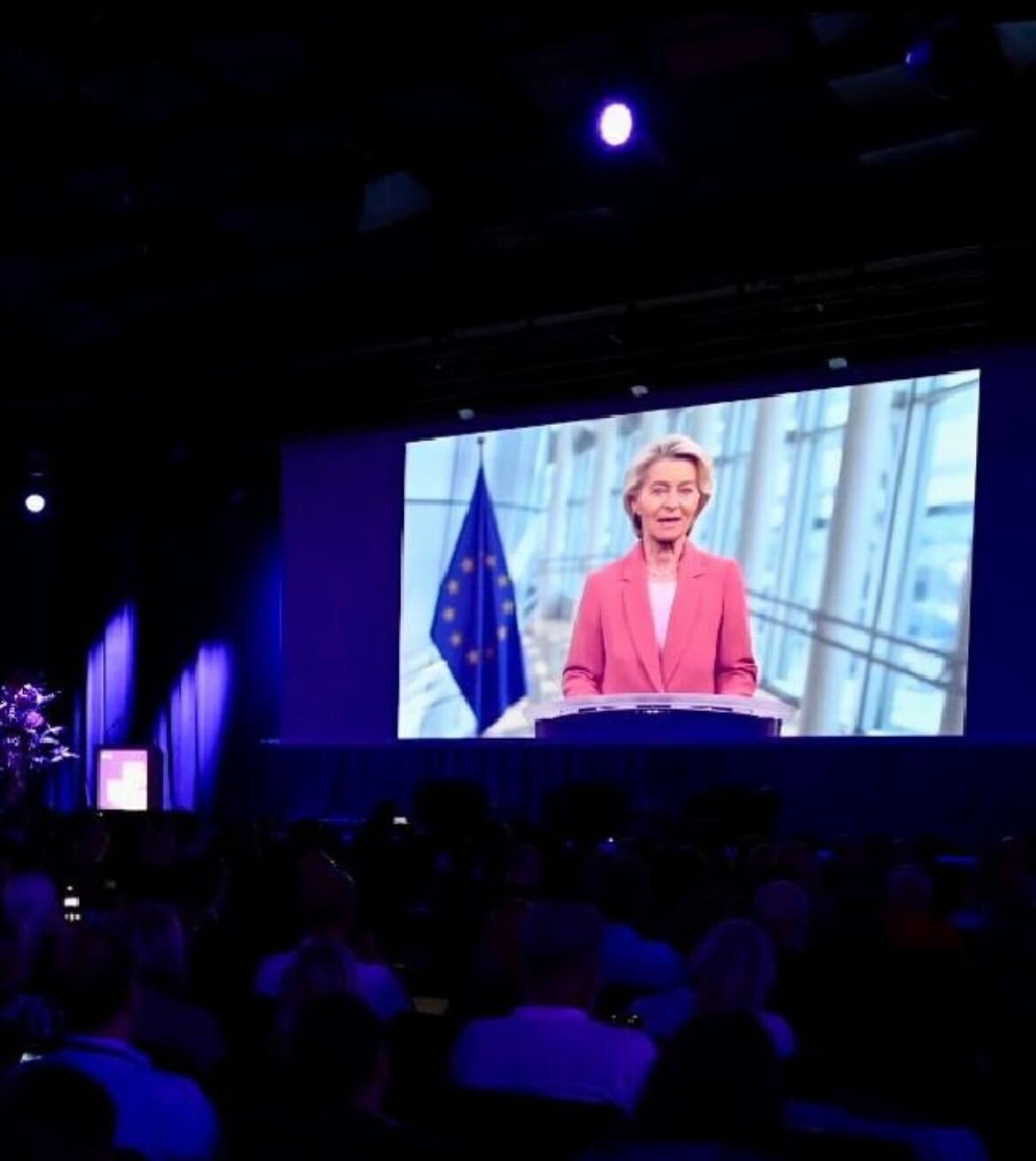
The broader discussions at RiDaysEU reinforced this sense of urgency. President Ursula von der Leyen underlined that the European Commission is determined to make the EU the best place in the world for research and innovation, combining talent, funding, and scaling-up capacity. Commissioner Ekaterina Zaharieva spoke about the need to complete the single market for research and innovation, warning that fragmentation remains a barrier to competitiveness.
Executive Vice-President Henna Virkkunen highlighted artificial intelligence as one of the hot topics of the day, calling for Europe not just to adopt AI but to accelerate its transformation of science and industry. With the forthcoming AI in Science Strategy and continued funding from Horizon Europe, the EU is clearly signaling its commitment to make AI a pillar of its competitiveness.
These messages aligned closely with what we were discussing at the AIMS5.0 booth: how to turn promising research into real-world impact, and how to ensure that impact supports Europe’s broader goals of sustainability, resilience, and technological sovereignty.
Key Takeaways and Looking Forward
Walking away from the event, a few reflections stood out:
1. Europe must move faster. There is world-class research talent across the continent, but the translation of results into industry is still slower than in other parts of the world. Projects like AIMS5.0 are part of the answer, but a supportive ecosystem is equally essential.
2. Dual-use and deeptech are gaining prominence. Innovation that serves both civilian and security applications, and technologies such as quantum and advanced semiconductors, are becoming central to policy conversations. This is a shift that will influence funding priorities and project design in the coming years.
3. Collaboration remains the key. From startups to large enterprises, from ministries to municipalities, no single actor can deliver the transition Europe needs. The partnerships forged and deepened at RiDaysEU are as important as the strategies announced from the main stage.
4. Visibility matters. Having AIMS5.0 showcased at RiDaysEU was not only a technical recognition, but also an opportunity to raise awareness of the project’s relevance and to connect with decision-makers who can help bring its results to scale.
As the event closed, I was reminded of one simple truth: research and innovation are never ends in themselves. They are tools for shaping the future — for building a Europe that is competitive, sustainable, and resilient. AIMS5.0 is one of many projects contributing to that mission, and its presence in Brussels showed how EU-funded initiatives can translate ambition into concrete outcomes.
Conclusion
The European Research and Innovation Days demonstrated once again that Europe is rich in talent, ideas, and commitment. The task ahead is to turn that richness into impact, fast enough to meet the challenges of our time.
For AIMS5.0, being showcased by Chips JU was both a milestone and a motivator. It reinforced the importance of our work and provided new energy to push forward. The conversations held in Brussels will continue to resonate as we take the next steps in making Industry 5.0 a reality.


 Imprint